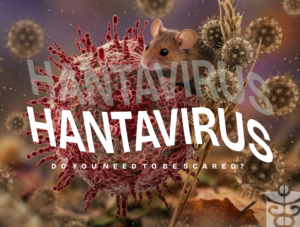
 There’s a certain kind of fear that comes with hearing about a virus most people barely know anything about.
Not long ago, many people in Lagos barely paid attention to terms like “viral outbreak,” “airborne transmission,” or “public health surveillance.” Now, even uncommon diseases can quickly become a topic of concern online.
One of those diseases quietly making rounds in health conversations again is Hantavirus.
No, it’s not a new pandemic. And no, it’s not spreading like COVID-19 did.
But health professionals still monitor it closely because of how serious it can become when symptoms are ignored.
So, What Exactly Is Hantavirus?
Hantavirus refers to a group of viruses primarily spread by rodents, especially through:
- Rodent urine
- Droppings
- Saliva
- Dust contaminated by infected rodents
People can become infected when they inhale contaminated particles, especially while cleaning enclosed spaces where rodents have been present.
Although cases remain relatively rare globally, the disease draws attention because severe infections can affect the lungs and become life-threatening.
Why People Are Talking About It Again
Recent global conversations around Hantavirus have resurfaced mainly because of increased awareness about infectious diseases in general.
After COVID-19, public health monitoring became more sensitive worldwide. Any unusual viral infection now tends to receive quicker media attention and online discussion.
Health experts are also paying closer attention to:
- Climate and environmental changes affecting rodent populations
- Poor sanitation in urban and rural areas
- Increased human exposure to contaminated environments
The important thing to understand is this:
Hantavirus is not easily transmitted from person to person in most known cases.
That’s a major difference between Hantavirus and highly contagious respiratory viruses.
Common Symptoms People Shouldn’t Ignore
Early symptoms can feel similar to flu or severe viral illness.
They may include:
- Fever
- Fatigue
- Headache
- Muscle aches
- Chills
- Nausea
- Abdominal pain
As the illness progresses, some patients may develop:
- Difficulty breathing
- Chest tightness
- Severe cough
- Shortness of breath
This is where immediate medical attention becomes important.
Who Is More at Risk?
People at higher risk often include:
- Farmers
- Warehouse workers
- Cleaners handling dusty enclosed areas
- Individuals exposed to rodent-infested environments
- People living in areas with poor sanitation
Even simple activities like cleaning abandoned storage spaces without protection can increase risk.
Prevention Is Still the Best Protection
The good news is that prevention is very possible.
Health professionals recommend:
- Proper waste disposal
- Rodent control measures
- Keeping food properly sealed
- Avoiding direct contact with rodent droppings
- Wearing protective masks and gloves while cleaning dusty enclosed spaces
One common mistake people make is sweeping dry rodent droppings aggressively, which can push contaminated particles into the air.
Experts instead advise gently disinfecting affected areas before cleaning.
Why Awareness Matters
In healthcare, awareness often saves lives long before treatment begins.
Many infectious diseases become dangerous not because they’re impossible to manage, but because symptoms are ignored until complications begin.
That’s why hospitals and healthcare providers continue to emphasize:
- Early medical evaluation
- Preventive hygiene
- Environmental cleanliness
- Public health education
Final Thoughts
Hantavirus may not be dominating headlines every day, but it remains a serious reminder of how closely human health is connected to our environment.
The goal is not panic.
The goal is awareness.
Simple preventive habits, proper hygiene, and early medical attention can significantly reduce risks associated with many infectious diseases.
At Premier Specialists’ Medical Centre, we continue to encourage preventive healthcare, early diagnosis, and public awareness as part of protecting healthier communities.
Need medical guidance or a health evaluation?
Visit www.thepremiermedical.com (PSMC) or call to be connected with a qualified healthcare professional for proper assessment and care on 08106219466 | 09010366444